Barndominiums in Kalamazoo, MI
Custom barndominium construction with residential code compliance, zoning guidance, and full finish work for Kalamazoo County.
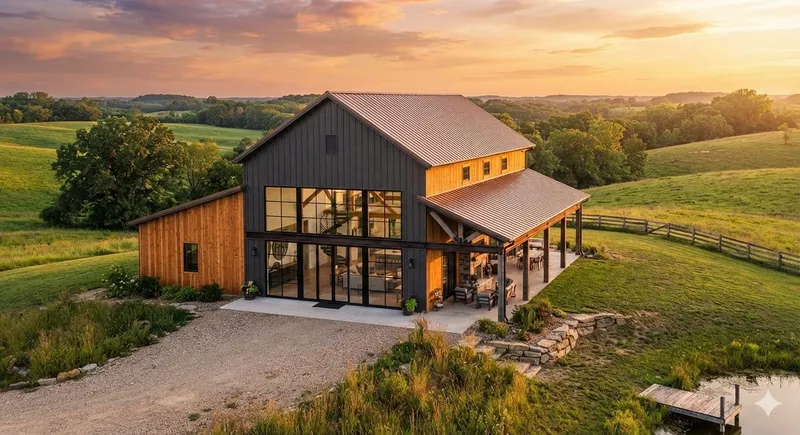
What Barndominium Construction Involves
A barndominium is a pole barn that's been engineered and finished as a livable home. The shell goes up the same way — posts below frost line, trusses for snow load, metal siding and roofing. But then the building gets insulated, framed inside with interior walls, wired for electrical, plumbed, and finished with drywall, flooring, cabinets, and fixtures. It's a house that happens to be built with post-frame construction instead of stick-built.
The process is longer and more complex than a storage barn. After the shell is weather-tight, we install insulation — typically spray foam for barndominiums because it provides both R-value and an air seal in one step. Then interior framing divides the open space into rooms. Plumbing and electrical rough in behind the walls. Drywall, paint, flooring, cabinets, and trim finish it out.
The key difference from a standard pole barn: a barndominium has to meet Michigan Residential Code, not the lower agricultural building standards. That means proper insulation, egress windows, smoke detectors, electrical panels to code, and plumbing permits. We build to residential standard from day one — we don't try to upgrade an agricultural shell after the fact.
When a Barndominium Makes Sense in Kalamazoo
A barndominium makes sense when you want a home on rural property and you're cost-conscious but not willing to live in a box. The post-frame method gives you a faster, cheaper shell than stick-built construction, and the open interior means you can design the floor plan however you want — no load-bearing interior walls to work around.
It also makes sense when you want a shop-home hybrid. A barndominium can be half living space and half workshop, garage, or storage. Try doing that with a conventional house. The open span of a post-frame building lets you put a 2,000-square-foot shop on one end and a 1,500-square-foot home on the other, all under one roof.
And if you're building on a rural lot in Kalamazoo County — where land is cheaper than in the city but bringing in a conventional builder is expensive — a barndominium can be the difference between building now and waiting five years. The shell goes up fast. You can live in the finished portion while the rest is still being completed.
Why Barndominium Builds Get Complicated in Michigan
The biggest complication is zoning. Some Kalamazoo County townships don't know what to do with a barndominium. Is it a house or an agricultural accessory building? If it's a house, it needs residential permits, well and septic approval, and compliance with setback rules for dwellings. If it's an ag building, the requirements are looser — but you can't legally live in it.
You have to build it as a house from the start. That means residential code for insulation, egress, electrical, and plumbing. Some townships have minimum square footage requirements for dwellings. Some have restrictions on metal exteriors in residential zones. Some require the exterior to look like a house, not a barn.
Financing is the other hurdle. Not every lender will finance a barndominium. Some classify it as a metal building and won't touch it. Others will finance it but require a higher down payment. We know which lenders in the Kalamazoo area work with barndominiums and which don't — we'll tell you upfront, not after you've committed to a build.
What Affects the Cost of a Barndominium
The shell is the cheap part. A post-frame shell runs $12 to $45 per square foot. The finishing is what drives the cost. Insulation, interior framing, plumbing, electrical, drywall, flooring, cabinets, fixtures — all the things that make a building a house — push the total to $55 to $170 per square foot at residential standard.
Insulation is the biggest single variable. Spray foam gives you the best air seal and R-value but costs more than fiberglass batt. In a barndominium with a large open ceiling, the insulation bill can be significant. We can mix insulation types — spray foam in the ceiling where it matters most, batt in the walls — to balance cost and performance.
The level of finish matters too. A barndominium with laminate countertops, LVP flooring, and standard fixtures costs less than one with granite, hardwood, and custom cabinetry. You can finish a barndominium at almost any price point — the question is where you want to land on the spectrum between functional and luxury.
Barndominium vs. Traditional Home: The Real Comparison
Cost: a barndominium shell is cheaper than a stick-built frame. But once you finish the interior, the cost per square foot is comparable. The savings are in the shell and the speed, not the finish. Don't expect a barndominium to cost half what a conventional house costs — it doesn't.
Speed: the barndominium shell goes up in weeks, not months. A stick-built house takes longer to frame because every wall is built from studs, plates, and sheathing. Post-frame goes up faster because it's posts and trusses. But the finishing takes the same amount of time in both.
Energy efficiency: a well-insulated barndominium can be more energy-efficient than a conventional house because the spray foam creates a continuous air seal. No thermal bridging through studs. But a poorly insulated barndominium is worse — metal siding transfers heat and cold directly if there's no thermal break.
Resale: barndominiums are still a niche product in Michigan. Some buyers love them. Others won't touch them. If resale is your top priority, a conventional house is the safer bet. If you're building for yourself and plan to stay, the resale question matters less.
Financing and insurance: both are harder for barndominiums than conventional houses. Not impossible — but you need the right lender and the right insurance company. We can point you to both.
Frequently Asked Questions About Barndominiums
Can I live in a barndominium in Kalamazoo County? Yes, but it must be built as a residential structure, not an agricultural accessory building. That means Michigan Residential Code for insulation, electrical, plumbing, and egress. Some townships have restrictions on metal exteriors in residential zones. We know which townships are barndo-friendly.
How much does a pole barn cost in Kalamazoo, MI? The shell runs $12 to $45 per square foot. A finished barndominium runs $55 to $170 per square foot. The range depends on insulation type, level of finish, and whether you're doing any work yourself.
How long does it take to build a barndominium? The shell goes up in 2 to 3 weeks. The full finish — insulation, framing, plumbing, electrical, drywall, flooring — takes 3 to 6 months depending on size and complexity. Total project timeline is typically 4 to 8 months from site prep to move-in.
What's the difference between a pole barn and a post frame building? Nothing — they're the same construction method. 'Pole barn' is what most people search for. 'Post frame' is the industry term. We use both so you find us however you're searching.
Ready to get a price on your new barndominiums?
This section will invite you to request a free quote for your barndominiums project. Call us or fill out the form — we'll call you back within one business day to schedule a free on-site consultation.
(269) 257-7564Other Pole Barn Services for Your Property
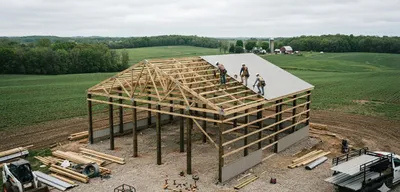
Custom Pole Barns
Custom-designed pole barns built for Michigan snow loads, frost line depth, and Kalamazoo County permitting.
Learn More →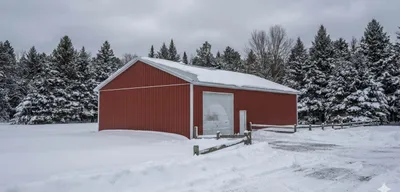
Pole Barn Garages
Detached pole barn garages for RV storage, workshops, and multi-bay vehicle protection built to handle Michigan winters.
Learn More →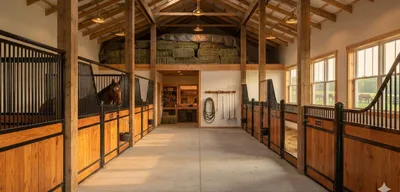
Agricultural Pole Barns
Farm and agricultural pole barns built for Michigan livestock, equipment storage, hay, and horse barns — engineered for snow load and ventilation.
Learn More →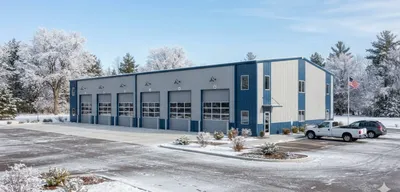
Commercial Post Frame
Commercial post frame buildings for warehouses, workshops, and retail — clear span advantages at a lower cost per square foot than steel frame.
Learn More →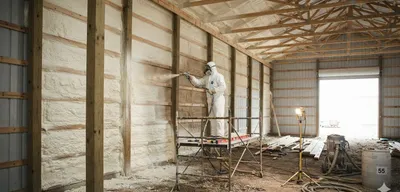
Pole Barn Insulation & Finishing
Insulation and interior finishing for pole barns — spray foam, fiberglass batt, interior walls, electrical, and climate control.
Learn More →Frequently Asked Questions
How much does a pole barn cost in Kalamazoo, MI?
A basic pole barn shell in the Kalamazoo area runs $12 to $45 per square foot, depending on size, height, and materials. A finished barndominium or insulated workshop runs $55 to $170 per square foot at residential standard. The biggest cost factors are size, insulation, concrete slab, and interior finishing. We give you a free, itemized quote so you know exactly what you're paying for — no vague ballparks.
Do I need a building permit for a pole barn in Kalamazoo County?
Kalamazoo County has no county-wide zoning ordinance, which surprises people. Permits are handled township by township. Most townships route building permits through the Kalamazoo Area Building Authority (KABA), but some handle their own. Accessory structures (pole barns, garages, sheds) typically need a permit if they're over 200 square feet or attached to a dwelling. We handle the permit process for you — you don't deal with the township.
What snow load should my pole barn be built for in Michigan?
Kalamazoo County falls in a lake-effect snow zone influenced by Lake Michigan. Michigan building code requires roof snow loads of 20 to 50+ pounds per square foot (psf) depending on your specific location, exposure, and roof geometry. Kalamazoo-area builds typically need 25-35 psf minimum, but exposed sites and areas closer to the lake shore may require more. We engineer every building to meet or exceed Michigan Residential Code snow load requirements for your specific township — not a one-size-fits-all number.
How long does it take to build a pole barn?
A standard 30x40 pole barn takes 2-3 weeks of construction time once materials are delivered and posts are set. Larger or more complex builds (barndominiums, commercial buildings, multi-bay agricultural barns) take 4-8 weeks. Site prep — clearing, grading, drainage — adds another 1-2 weeks if your lot needs work. Weather can delay winter builds; we schedule around it.
What's the difference between a pole barn and a post frame building?
Nothing — they're the same thing. "Pole barn" is the term most people use and search for. "Post frame" is the industry term for the construction method: pressure-treated posts embedded in the ground (or on concrete piers) that bear both vertical and lateral loads. We use both terms on the site so you find us however you're searching.
Can I live in a barndominium in Kalamazoo County?
Yes, but it's regulated as a residential structure, not an agricultural accessory building. That means it needs to meet Michigan Residential Code for insulation, electrical, plumbing, and egress — not just the lower agricultural building standards. Some townships have minimum square footage requirements or restrictions on metal exteriors in residential zones. We know which townships are barndo-friendly and which have restrictions. We'll tell you upfront, not after you've committed.
How deep do pole barn posts need to go in Michigan?
Michigan frost line depth varies by region — 36 to 42 inches in the Kalamazoo area. Posts must be embedded below the frost line to prevent heaving. We typically set posts 4 feet deep on concrete collars or piers, which gives us margin below the frost line and ensures the building doesn't shift with freeze-thaw cycles. This is non-negotiable — shallow posts will heave and ruin the building within a few winters.
Do you pour the concrete slab, or do I need a separate contractor?
We handle the full build — posts, trusses, roofing, siding, doors, windows, and the concrete slab. You don't need to hire a separate concrete guy. The slab is poured after the shell is up, which keeps the concrete protected during construction. Slab thickness depends on use — 4 inches for standard storage, 6 inches for heavy equipment or agricultural use.
Start your barndominiums project today
This section will provide a final CTA for your barndominiums project. Call us for a free quote or send a message and we'll respond within one business day.